
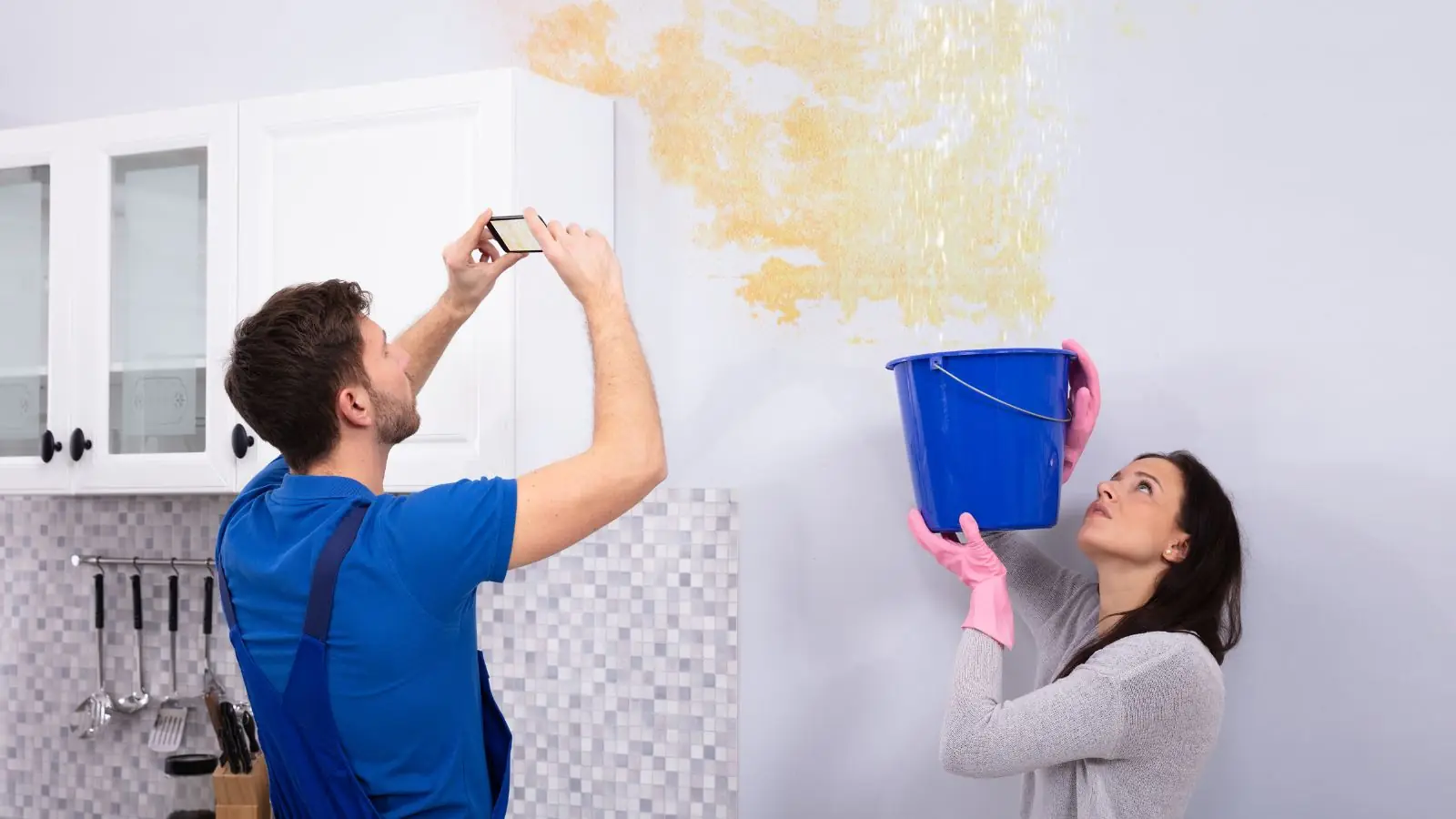
Does home insurance cover water damage? Often yes, when the water arrives suddenly and by accident. Often no, when it seeps in slowly over months. For a homeowner or renter in La Palma, CA, the answer turns on the cause of the water, the exact wording of the policy, and what you do in the first day.
This guide stays in general terms because every policy differs. Read your declarations page and the water exclusions, then ask your insurer direct questions. The California Department of Insurance also publishes a residential property claims guide for consumers.
Sudden and accidental versus gradual
Most standard homeowner policies draw one line. A pipe that bursts overnight, a water heater tank that splits, or a supply hose that pops off a washing machine is usually treated as sudden and accidental. A drip under the kitchen sink that went unnoticed for six months is usually treated as wear, neglect or maintenance.
The same flooded floor can land on either side of that line depending on how long the water ran and whether it could have been caught. Adjusters look at staining, rot, rust on fasteners and old mold growth to estimate how long water was present. That is why a clean timeline matters.
A quick decision table
Policy wording varies, so treat this as a map of common patterns and check your own contract.
| Type of loss | Usual treatment | What to check in your policy |
|---|---|---|
| Burst supply line or split water heater | Covered often | Sudden and accidental language, deductible amount |
| Washing machine or dishwasher hose failure | Covered often | Whether the failed appliance itself is excluded |
| Roof leak after wind damage | Covered often | Whether the roof opening came from a covered event |
| Slow leak behind a wall or under a sink | Often not covered | Exclusions for continuous seepage, rot or neglect |
| Mold that followed a long leak | Often not covered | Any mold limit or exclusion sublimit |
| Rising surface water or flooding from outside | Usually separate coverage | Whether you carry a flood policy |
| Sewer or drain backup | Usually separate coverage | A water backup endorsement on your policy |
Note that a covered cause does not always mean every related cost is covered. Tear out, drying, rebuild and contents are often handled as separate line items.
Your duty to limit further damage
Nearly every policy expects you to take reasonable steps to stop the loss from growing. That means shutting off the water, removing standing water and starting drying quickly. EPA guidance says damp materials dried within 24 to 48 hours generally will not grow mold, so waiting for an adjuster visit can cost you.
Professional water mitigation is the step that covers this duty in practice. It includes extraction, moisture mapping with meters and thermal imaging, and placing air movers and LGR dehumidifiers. Keep every invoice and the drying logs.
Written notes from the crew about the date they started and the readings they took give your insurer a clear record of the steps taken.
Documentation checklist for the claim
Gather these before the adjuster arrives and keep copies somewhere other than the damaged house.
- Photos and video of every affected room before anything is moved, including the source of the water.
- The date and time you noticed the problem and when you shut off the water.
- A written list of damaged contents with brand, age and rough value.
- Receipts for emergency steps such as extraction, tarps, hotel nights or equipment rental.
- Moisture readings and drying logs from the restoration crew.
- The name and number of your claim contact, plus a note of each call and what was said.
- A copy of your policy declarations page and any endorsements.
Belongings and living costs
Policies often split the structure, your belongings and extra living costs into separate parts. If the kitchen or bathroom is unusable while drying runs, ask your insurer whether additional living expense coverage applies and which receipts it wants. Keep meal and lodging receipts apart from repair invoices.
For belongings, photograph items before cleaning them. Soft goods touched by Category 2 or 3 water, such as upholstery and mattresses, are often discarded, while hard goods can usually be cleaned. Write down brand, age and where you bought each item, since adjusters ask for all three.
Do not throw out anything of high value until you know what your insurer wants to inspect.
Mistakes that weaken a claim
Throwing out damaged materials before photographing them is the most common one. Keep a labeled sample of wet drywall or flooring if the adjuster asks, and photograph the rest.
Another is agreeing to a full rebuild scope before the structure is dry. Wet framing and subfloor can read normal on the surface, so drying should be confirmed with readings. Ask any contractor whether their crews work to ANSI/IICRC S500, the published standard for water damage restoration.
When the water was not clean
Water categories matter to coverage and to safety. A broken supply line is clean water at first, but it can degrade in a day or two. Sewage and flood water are contaminated and need removal of porous materials such as carpet pad and insulation.
For help with the first response, see our page on water damage cleanup. Ask before disturbing old ceiling texture or old flooring, since older materials can contain asbestos or lead.
La Palma notes for owners and renters
La Palma had 5,270 housing units in 2020, and about 68% were owner-occupied while 32% were renter-occupied. That split changes who files. If you own, the claim runs through your homeowner policy for the structure and your belongings. Read the dwelling and personal property sections separately.
If you rent, your landlord's policy usually covers the building and your renter policy covers your belongings and extra living costs. Tell your landlord in writing the same day, and ask your own insurer whether liability coverage applies if your unit leaks into a neighbor's. Condo owners should also check what the association master policy carries.
Crews from nearby Cypress and Buena Park often handle the same kinds of claims, so a second opinion on drying scope is easy to find. Keep your lease and policy documents together so you can answer questions quickly.
Common questions
Should I call my insurer or a restoration company first?
Stop the water, then do both the same day. Start extraction and drying right away, since delay can add damage, and tell your insurer what you are doing. Ask your insurer what they need from you.
Will filing a claim raise my premium?
It can, depending on the insurer and your claim history. Ask your agent how a claim might affect renewal before you file for a small loss. Some people pay a small repair directly if it falls near the deductible.
Is mold covered after a water loss?
Many policies limit or exclude mold, especially when it follows a long leak. Fast drying helps avoid it in the first place. Read the mold wording and ask your insurer to explain any sublimit.
In La Palma, who files the claim if I rent my home?
Both parties may have a role. The landlord files under the building policy, and you file under your renter policy for belongings and temporary housing. Report the loss in writing to your landlord and your own insurer on the same day.
Still have a question about your situation? Call (714) 515-1308 and a dispatcher will talk it through, day or night.