
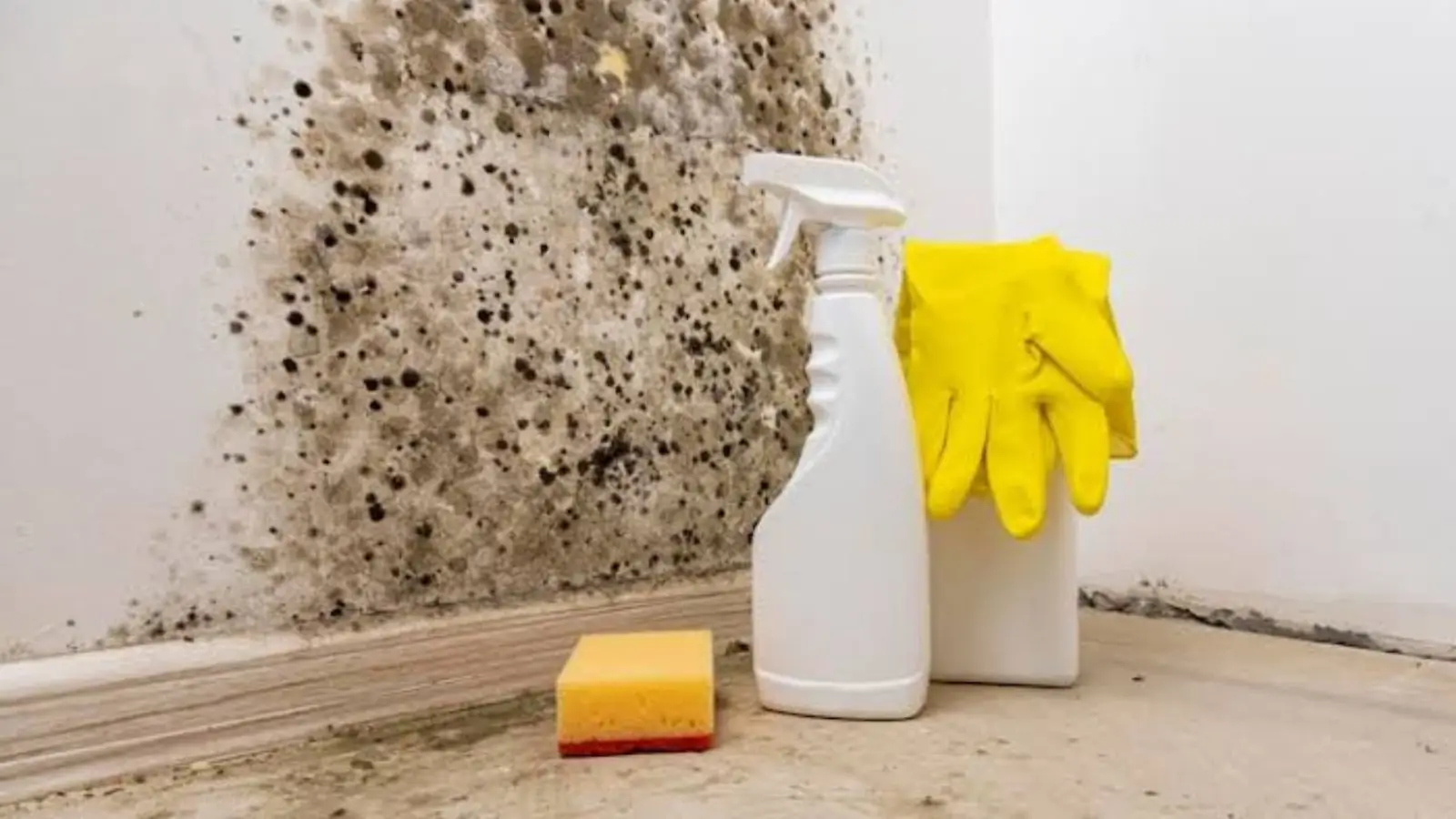
Knowing how to remove mold in La Palma, CA starts with knowing where DIY stops. A small patch on a bathroom ceiling is one job. A damp wall with growth inside the cavity is another. The tools and risks are different, and so is the cleanup.
This guide lays out what a homeowner can do with a small area, what containment and HEPA filtration actually are, and when to call a professional. It also covers clearance testing, which comes up when a home is being sold or refinanced.
Start with the water, not the stain
Mold cannot grow without moisture, so removal that skips the water source fails. Find the leak, the condensation point, or the damp wall first. Dry the area with fans and a dehumidifier until a moisture meter reads close to a dry reference.
EPA guidance says damp materials dried within 24 to 48 hours generally will not grow mold. That timing is useful. If the source was recent, drying fast may save materials. If it has gone on for weeks, expect to remove some of them.
What EPA guidance says about small areas
EPA guidance treats growth covering less than about 10 square feet, roughly a 3 foot by 3 foot patch, as an area many homeowners can clean themselves. That applies to hard, non-porous surfaces like tile, glass, and sealed counters. It assumes the cause is fixed and the growth is not from sewage.
Porous materials are different. Ceiling tile, carpet, and drywall with growth typically get bagged and removed, not cleaned. Wiping the surface does not reach the roots in the paper and fibers.
A careful small-area routine
Wear an N95 respirator, gloves, and eye protection. Keep other people and pets away. Dry brushing or dry scraping stirs growth into the air, so avoid it.
- Close the room and cover the HVAC vent in that room.
- Mist the surface lightly with water to keep dust down.
- Scrub non-porous surfaces with detergent and water, then wipe with clean damp cloths.
- Bag removed porous material in plastic and seal the bag before carrying it out.
- Dry the area completely, and watch it over the following weeks.
- Vacuum with a HEPA-rated vacuum, not a regular one, which would blow fine particles back out.
Bleach is not recommended as the fix. It does not solve the moisture problem and it can leave porous material damp. If growth returns, the water problem is still there.
What containment and HEPA mean on a professional job
Containment is a sealed work zone built from plastic sheeting and tape, with a negative air machine pulling filtered air out. A HEPA air scrubber captures fine particles before the air is exhausted outside the work zone. Workers enter through a flap or airlock and wear protective gear.
ANSI/IICRC S520 is the published standard that describes these steps. Ask any company whether its crews work to it. Also ask whether your state licenses mold work, because rules differ.
DIY versus professional
Use this table as a first sort. When you are in doubt, the larger or wetter option wins.
| Situation | DIY reasonable? | Why |
|---|---|---|
| Under 10 sq ft on tile, glass, or sealed surface | Often yes | Non-porous, easy to clean, and the cause is simple to fix |
| Small spot on painted drywall, source fixed | Maybe | Paint can hide spread behind the surface, so check with a meter first |
| Over 10 sq ft | No | EPA small-area guidance no longer fits |
| Growth inside a wall, ceiling, or crawlspace | No | Needs opening, containment, and HEPA filtration |
| Growth after sewage or flood water | No | Contaminated materials need removal under S500 and S520 |
| Repeat growth after cleaning | No | The moisture source has not been found |
| Selling or refinancing with a mold history | No | Documentation and independent clearance are needed |
Clearance testing for a home sale or loan
Clearance testing is a check, done after remediation, that the work area is clean and the air is comparable to outdoors. A buyer, agent, or lender may ask for it. Ask your lender or agent what they require before the work starts, so the right documents exist.
The tester should be independent from the remediation company, so one party is not grading its own work. A clearance report typically includes visual inspection, moisture readings, and air or surface sample results from a lab. Keep the paperwork with your sale or loan file.
Mistakes that bring mold back
The first mistake is cleaning before the water source is fixed. The second is sealing a damp wall with paint or caulk, which traps moisture. The third is running a fan in a closed room without moving humid air out of it.
Another common error is skipping the dry readings. Ask for the numbers from a moisture meter before drywall goes back up. If the work is beyond a small patch, a company offering mold remediation should be able to explain its containment plan in plain words.
Getting it done in an order that holds up
A solid job runs in sequence. Stop the water, dry the structure, contain the area, remove affected material, clean with HEPA vacuuming and damp wiping, verify dryness, then rebuild. Rebuilding before drying is verified is the usual reason mold comes back to a repaired wall.
If water caused the problem, see water damage cleanup before the rebuild stage so the structure is actually dry. A written scope that lists containment, equipment, and the dry readings required to close the job lets you compare bids fairly.
La Palma notes from nearby Cypress
Cypress was once nicknamed Waterville because of its many artesian wells, a reminder that this area has a long relationship with groundwater. Most residents there get their water from Golden State Water. If your mold may come from a supply problem outside the house, check your water bill to learn which provider to call.
Cypress College is in town, and anyone renting near campus should know that a written notice to the landlord beats a phone call. Our crews serve Cypress and nearby Cerritos, and the steps above apply on both sides of the line.
Back in La Palma, the water question is the same. The City of La Palma's utility and Golden State Water both serve parts of town, so the bill tells you who to call.
Common questions
Can I use vinegar or bleach to kill mold?
Neither is the fix. Detergent and water on hard surfaces, plus drying, does the practical work. The material and the moisture source matter more than the product.
How long does professional mold removal take?
It depends on the area, the materials, and whether the structure is dry. Containment setup, removal, HEPA cleaning, and verification each take time. A written scope should list each step.
What is clearance testing?
It is an independent check after remediation, usually with visual inspection, moisture readings, and lab results. A buyer or lender may ask for it. Ask your lender what they require.
Does Cypress history with wells matter to my La Palma home?
Only indirectly. Water around here comes through the City of La Palma, Golden State Water, and regional supply. If you suspect an outside leak, your water bill tells you which provider to call.
Still have a question about your situation? Call (714) 515-1308 and a dispatcher will talk it through, day or night.